Gansbaai Shark Cage Diving Accident: What Actually Happened?
The real story of the 2008 Gansbaai shark diving boat capsize that killed three tourists, the negligence ruling that followed, and why it was never a shark attack.
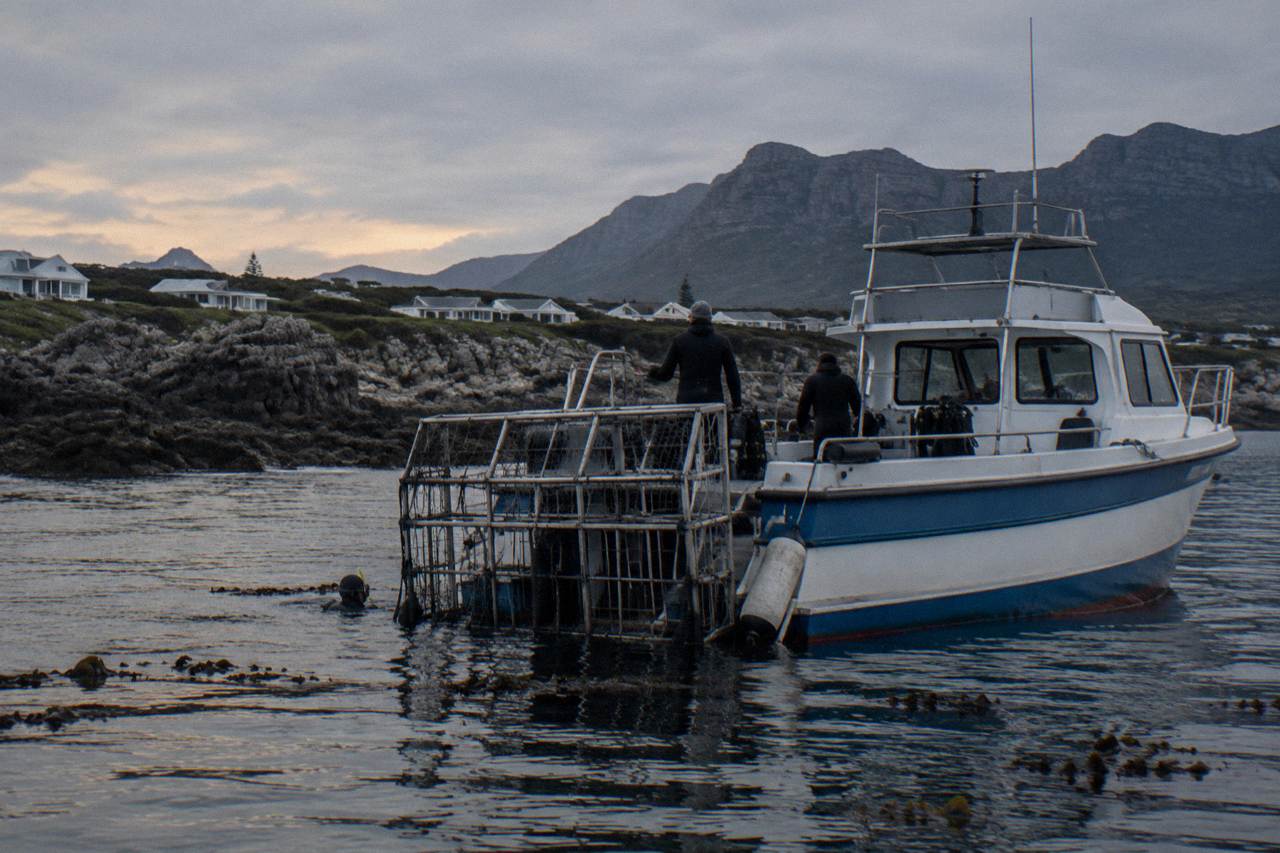
Hero image path note: the frontmatter hero above should read /images/uploaded/blog/gansbaai-shark-cage-diving-accident-what-happened/hero.jpg.
When people search for a "Gansbaai shark cage diving accident," they are usually looking for one of two things: proof that the activity is deadly, or reassurance that a story they half-remember is not what it sounds like. The honest answer sits between the two. There has been one serious fatal incident in the modern history of commercial shark cage diving out of Gansbaai, and it involved no shark at all. It was a boat capsize in 2008, in rough sea conditions, and a South African court later ruled it was the result of negligence related to sea conditions and anchoring. Three tourists drowned. If that history leaves you weighing whether the trip still makes sense, our honest look at whether shark cage diving in Gansbaai is worth it compares prices, ratings, and what you actually see from the cage.
This site, Shark Cage Diving Cape Town, exists to help readers book cage dives with accurate expectations, and that means dealing with the industry's one real tragedy head on rather than burying it. What follows is the documented record: what happened on the water that day, what the court found, how the incident reshaped regulation, and what it does and does not tell you about shark-related risk. For the broader safety picture, the companion piece on cage diving deaths worldwide covers the industry-wide record, and the Cape Town safety guide walks through the everyday protocols.
Gansbaai Shark Cage Diving Accident: What Actually Happened?
On 13 April 2008, a shark diving vessel named Shark Team, operating out of the Gansbaai area, capsized while anchored near Shark Alley after being struck by a large wave, and three tourists on board drowned. An inquest and subsequent court proceedings ruled the deaths were the result of negligence connected to sea conditions and the decision to anchor where the boat was, not to any shark. No shark touched the boat, the cage or any person.
The vessel was on a routine cage diving trip in the channel between Dyer Island and Geyser Rock, the stretch of water known as Shark Alley. Conditions that day were rough, with a heavy swell running. The boat was anchored when a large wave broke over it and flipped it, throwing crew and passengers into the cold water. Most survived. Three tourists did not. Heavy swell like this is also what makes seasickness the most common complaint on these trips, so if you are heading out, the practical guide to seasickness on a shark cage diving boat explains what actually helps once you are on the water.
The case eventually reached the Western Cape High Court, and the judgment, published by the Southern African Legal Information Institute, examined the sequence in detail. The court's conclusion was that the tragedy stemmed from the vessel operating and anchoring in conditions it should not have been in, and from failures in how the situation was handled, not from anything the sharks did or could have done. The full judgment is a public document: the 2014 High Court ruling on the Shark Team capsize.
That distinction matters enormously for anyone weighing the risks. A shark did not cause the accident, and the accident was not a cage failure. It was a small vessel in the wrong sea state, and the industry's response to it was about boats, weather calls and crew procedure rather than about sharks.
For readers who want to see what a modern, licensed Gansbaai trip looks like rather than reading only about its worst day, these are three of the most established bookable options:
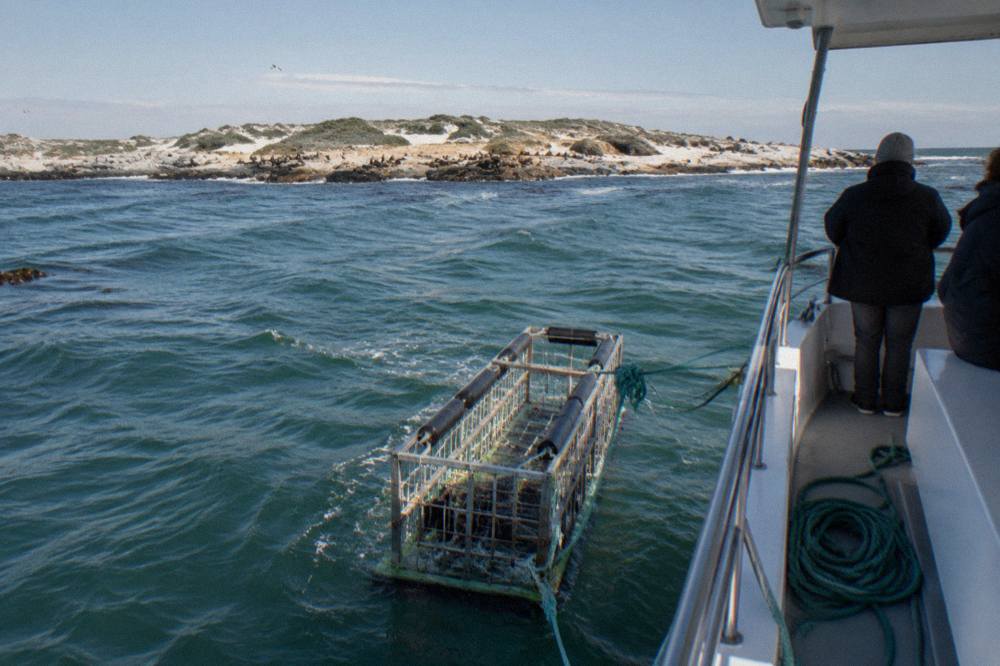
What Was The 2008 Gansbaai Boat Capsize?
A shark diving boat called Shark Team capsized on 13 April 2008 while anchored in the Shark Alley channel near Dyer Island, after a large wave broke over it in heavy swell. Three tourists drowned. The boat was carrying paying passengers on a standard cage diving trip, and the water in the channel is cold enough that survival time after immersion is short.
Shark Alley is a narrow, shallow channel, roughly 100 metres wide and about 5 metres deep, between Dyer Island, a protected bird sanctuary, and Geyser Rock, home to a Cape fur seal colony of around 60,000 animals. It is the historic heart of the Gansbaai shark diving industry, and in 2008 it was the busiest cage diving site in the country. The channel's geography is exactly why sharks historically gathered there, and it is also why the water behaves the way it does: swell funnels into the gap and conditions can deteriorate fast.
The court record describes a vessel anchored in the channel when a substantial wave struck. The boat inverted. Passengers and crew entered the water. Rescue efforts followed, and most people were recovered alive, but three tourists drowned before they could be brought out. The sea temperature in Walker Bay in April sits around 18 to 19 degrees on average, cold enough to exhaust a person quickly, especially one not wearing a life jacket correctly or caught under or near the hull.
What followed the accident was a long legal process. The operator and crew faced proceedings, and the High Court examined whether the decision to anchor in the channel in those conditions, and the way the trip was run, met the standard of care owed to paying passengers. The judgment that emerged is the single most important document in South African shark diving safety law.
| Element of the 2008 incident | The documented record |
|---|---|
| Vessel | Shark Team, a shark cage diving boat |
| Date | 13 April 2008 |
| Location | Shark Alley, the channel between Dyer Island and Geyser Rock near Gansbaai |
| What happened | The anchored boat was struck by a large wave in heavy swell and capsized |
| Deaths | Three tourists drowned |
| Shark involvement | None; no shark touched the boat, cage or any person |
| Legal outcome | Court proceedings ruled negligence related to sea conditions and anchoring, not sharks |
| Cage condition | The accident was not a cage failure; the cage was not the cause of any death |
The accident is often described in passing as a "shark diving tragedy," which is true in the sense that it happened on a shark diving boat. It was, in substance, a small-craft sea-condition tragedy, the same category of event that claims lives in fishing and charter boating around the world's coastlines every year. The cage never failed, and the sharks never featured.
If the accident record raises questions about which operators to trust, the practical answer is to book with long-running, licensed outfits and to read the cancellation terms before paying. White Shark Projects, one of Gansbaai's longest-running operators, runs a half-day cage dive from $173 per person, rated 4.7 from 451 reviews, with a continental breakfast and on-board light lunch included and free cancellation on the listing.
Was The Accident Caused By A Shark?
No. The 2008 Gansbaai capsize involved no shark behaviour of any kind: no collision, no attack on the cage, no interaction with any person. The court that examined the deaths ruled the cause was negligence tied to sea conditions and the anchoring decision. In the entire documented history of licensed shark cage diving in South Africa, there is no recorded shark-caused fatality to a paying guest inside a cage. If that perfect safety record surprises you, our guide to fatal shark attacks in South Africa puts the country's broader shark incident history into context.
This is the point most worth nailing down, because the accident is frequently misremembered. Search snippets and secondhand retellings compress "three tourists died on a shark diving trip" into "sharks killed three tourists," and the two statements are not merely different, they are opposites. The court found human and environmental causes. The sharks in the water that day were, as far as the record shows, irrelevant to the outcome.
The wider record supports the same conclusion. Licensed cage diving in South Africa operates under permits issued by the Department of Forestry, Fisheries and the Environment, under regulations that specify cage construction standards, ban direct feeding of sharks, prohibit touching, and require cages built to approved specifications with lids. The industry body's own safety summary states plainly that there are no documented shark-related injuries or fatalities to paying guests inside cages in regulated operations in recent years. That claim is on the record at the Shark Watch South Africa safety overview.
It is worth being precise about what "no documented fatalities in licensed cages" means. It does not mean the ocean is safe, or that shark diving is risk-free, or that a shark has never bumped a cage. Divers report sharks brushing past the bars, and the whole design of a cage with a lid exists because large sharks are unpredictable near bait. What it means is narrower and more useful: in decades of commercial operations carrying hundreds of thousands of guests, the fatal incidents on record are boating incidents, and the regulatory framework is built around that fact.
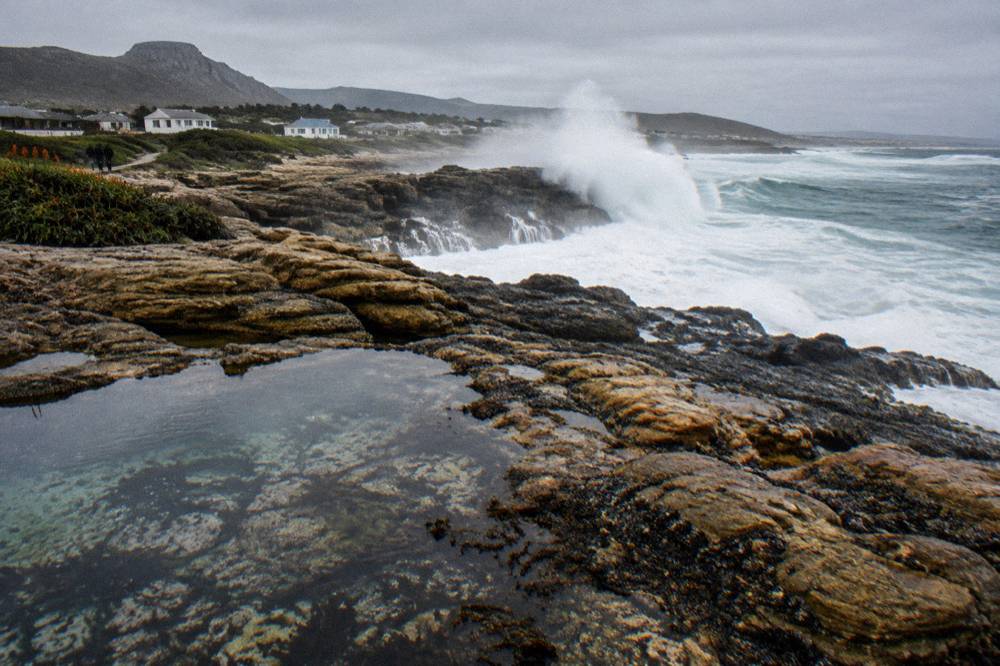
What Did The Court Ruling Actually Say?
The Western Cape High Court examined the Shark Team capsize and ruled the deaths resulted from negligence connected to sea conditions and the decision to anchor where and when the boat did. The judgment treated the case as a boating and duty-of-care matter, and its findings drove changes to how shark diving boats operate, rather than to how sharks are handled.
The judgment is public and readable, and it repays a direct look rather than relying on summaries: the full text of the ruling is hosted by the Southern African Legal Information Institute. The court worked through the conditions on the day, the state of the swell, the anchoring position in the channel, and the actions of crew before and after the capsize. Its conclusions centred on the seaworthiness of the decision-making: a paying-passenger vessel in a heavy swell, anchored in a confined channel, with inadequate response once the boat went over.
For the shark diving industry, the effect of the ruling was felt in the parts of the operation that had nothing to do with sharks. Weather go and no-go calls, passenger briefings, life jacket discipline, crew drills and the decision of when to pull anchor all came under sharper scrutiny. The regulatory regime that governs cage diving, the White Shark Cage Diving permit system under the NEMBA Threatened or Protected Marine Species Regulations, already controlled the shark-facing side of the operation: chumming restricted to natural bait and fish-oil lures, no feeding, no touching, cages to approved specifications with lids, and monitoring under DFFE and SAMSA rules. The permit framework is set out in the consolidated national regulations.
A useful way to read the ruling is as a confirmation of where the real risk in this activity sits. The shark-facing risks are managed by engineering and procedure that has decades of refinement behind it. The sea-facing risks, swell, wind, cold water and small-boat handling, are the ones that have actually killed people, and they are the ones operators and passengers both have to take seriously.
How Safe Is Shark Cage Diving In Gansbaai Today?
Modern licensed Gansbaai cage diving has no documented shark-caused guest fatality in its history, and the 2008 capsize, its one fatal incident, was a boating event that reshaped weather and vessel procedure. Today's trips run under DFFE permits, SAMSA safety rules, cages with lids built to approved specs, mandatory briefings and life jackets, and operators cancel or reschedule trips when conditions are poor.
The everyday safety architecture on a Gansbaai trip is unglamorous and effective. Trips are weather dependent, and operators cancel them when the swell forecast is bad, a fact worth remembering when a booking moves: it is usually the sea, not the sharks. Passengers receive a safety briefing before departure, wetsuits, booties and masks are supplied, and the cage is secured to the boat with occupants rotated through in small groups. The cage design itself, a floating frame with a lid, keeps the shark outside and the diver inside, with no scuba certification needed because the cage sits at the surface and divers breathe hold-breath or through a supplied air line.
The species question also matters for expectations. Since roughly 2017, great white sharks have been largely absent from Gansbaai, a shift linked to the orca pair Port and Starboard and documented in a peer-reviewed study published in the journal Biology in June 2025, which analysed boat observation data from 2009 to 2024 and found no site fidelity and no increase in sighting rates. Operators today feature bronze whaler (copper) sharks and broadnose sevengill cowsharks as the reliable sightings, and the briefings on licensed boats now cover the great white decline openly. Marine Dynamics, one of the area's anchor operators, runs an eco-focused cruise from $232 per person, rated 4.6 from 369 reviews, with free cancellation and a habit of selling out in peak season.
| Safety layer | What it looks like on a licensed trip |
|---|---|
| Permit | DFFE white shark cage diving permit required to operate commercially |
| Cage | Built to approved specification, lid secured, attached to the boat at the surface |
| Baiting rules | Natural bait and fish-oil lure only, no feeding, no touching sharks |
| Briefing | Safety and expectations briefing before departure, seasickness advice included |
| Conditions call | Trips cancelled or rescheduled when swell and wind exceed safe limits |
| Guest record | No documented shark-caused guest fatality in licensed cages |
Seasickness deserves a mention here because it is, by operator and guest report alike, the most common problem on these trips, far ahead of anything shark-related. The boats anchor, which means rolling, and winter brings both the best visibility and the roughest water. The site's guide to seasickness on a shark cage diving boat covers medication timing and deck strategy in detail.
What Do The Current Listings Say About Safety And Cancellation?
Every Gansbaai listing on this site's roster offers free cancellation except where stated, and the cancellation terms matter because weather calls, not sharks, are the main reason trips move. The roster's Gansbaai trips run from $126 to $305 per person, from 3 hours to a full day, and each listing states its own age, health and weather policy, which is the document to read before booking rather than after.
The cheapest Gansbaai listing on this roster is Shark Zone's cage diving and viewing tour from $126 per person, rated 4.5 from 68 reviews, a 3-hour trip from Van Dyks Bay and Kleinbaai Harbour with wetsuit and mask included and Cape Town pickup available as a paid add-on. At the other end of the scale, the whale-watching combos run from $286 to $305. The price spread mostly reflects transport, meals and trip length rather than safety differences, since all permitted operators face the same cage and baiting rules.
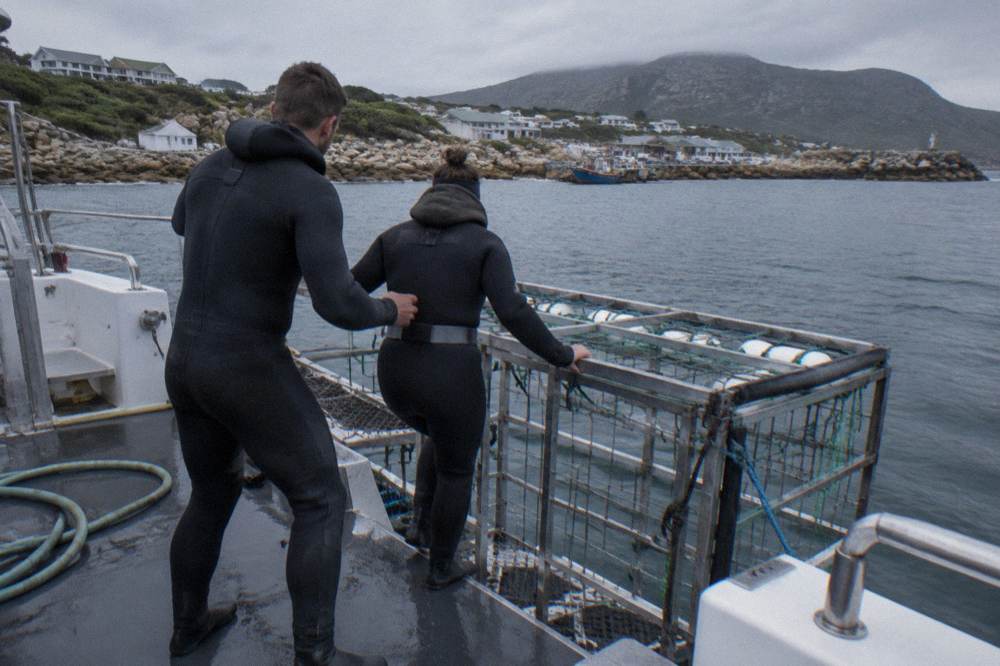
White Shark Projects, the related tour for this article, is a good example of the standard package: a half-day trip from $173 per person, 4.7 from 451 reviews, continental breakfast and on-board light lunch included, free cancellation on the listing. It is one of the area's longest-running operators, which matters in a town where the industry has contracted since the great whites left and the survivors are, by definition, the outfits that managed their operations well.
| Gansbaai listing | From (per person) | Rating | Duration | Cancellation |
|---|---|---|---|---|
| White Shark Projects half-day | $173 | 4.7 from 451 reviews | 3 hours | Free |
| Marine Dynamics eco cruise | $232 | 4.6 from 369 reviews | 6 hours | Free |
| Shark Zone cage and viewing | $126 | 4.5 from 68 reviews | 3 hours | Free |
| Marine Dynamics with Cape Town transport | $303.54 | 4.5 from 622 reviews | 10 hours | Free |
| Shark dive plus whale watching combo | $286 | 4.6 from 22 reviews | 6 hours | Free |
One listing on the wider roster breaks the free-cancellation pattern, and honesty requires naming it: the Apex Shark Expeditions trip from Simon's Town is non-refundable, so anyone comparing False Bay options should read that listing's terms before paying. Every Gansbaai listing above offers free cancellation on the platform listing.
Common Questions About The Gansbaai Accident
Gansbaai Shark Cage Diving Accident: What Actually Happened?
A shark diving boat called Shark Team capsized on 13 April 2008 while anchored in Shark Alley near Dyer Island, after a large wave struck it in heavy swell. Three tourists drowned. A court ruled the deaths resulted from negligence related to sea conditions and anchoring. No shark was involved in any way.
Did A Shark Kill Anyone In The Gansbaai Accident?
No. The 2008 capsize involved no shark behaviour at all: no collision, no cage breach, no contact with any person. The court examined the deaths as a boating and duty-of-care case and found negligence tied to sea conditions and the anchoring decision.
Has Anyone Died Inside A Shark Cage?
There is no documented shark-caused fatality to a paying guest inside a licensed cage in South Africa, or in the regulated cage diving industry worldwide in recent decades. The fatal incidents on record in Gansbaai, specifically the 2008 capsize, were boating incidents ruled to be sea-condition negligence.
Did The 2008 Accident Change Shark Diving Rules?
The ruling sharpened scrutiny of weather go and no-go calls, anchoring decisions, briefings and crew procedure on paying-passenger vessels. The shark-facing rules, permits, cage specifications, baiting restrictions, were already set by the DFFE permit system and did not change, because the accident was never about the sharks.
Is Shark Cage Diving In Gansbaai Safe Now?
Licensed Gansbaai trips have no documented shark-caused guest fatality in their history, and today's operators run under DFFE permits, cages built to approved specifications with lids, mandatory briefings and weather-based cancellations. The most common problem guests actually report is seasickness, not sharks.
Can A Trip Be Cancelled Because Of Sea Conditions?
Yes, and it happens regularly, since swell and wind, not shark behaviour, are the real operational constraint. Every Gansbaai listing on this site's roster offers free cancellation on the listing, so a weather-moved booking can be rescheduled or refunded under the listing's terms.
Before the FAQ, one last practical note: the accident record is a reason to book with long-running, licensed operators and to take the weather call seriously, not a reason to stay ashore. These are the three listings this site would compare first: