How Many People Have Died Cage Diving With Sharks In Cape Town?
The real record of fatalities tied to shark cage diving, distinguishing the 2008 Gansbaai boat capsize from shark-caused deaths, with the safety data that thousands of divers have relied on.
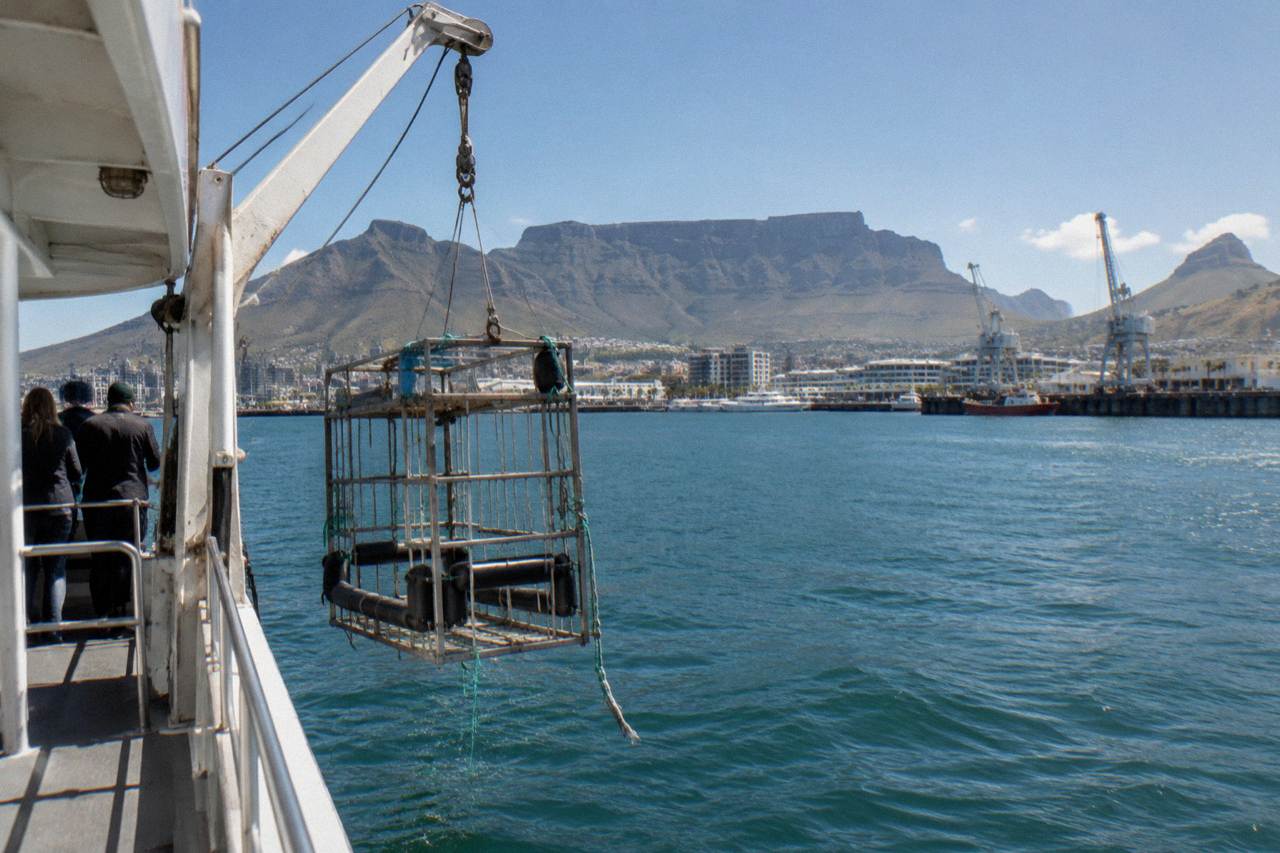
The search-engine data is unambiguous: tens of thousands of people type some version of the cage-diving death question into a browser every month. The movie-fed image of a great white breaching through a steel cage is so durable that most first-time visitors to Shark Cage Diving Cape Town arrive carrying it. Yet the number at the centre of that question is zero, and it has been zero for the entire history of the activity. Across South Africa, Australia, Mexico, and every other jurisdiction where cage diving operates under a government permit, there is no verified record of a paying guest being fatally injured by a shark while inside a cage.
The one tragedy that repeatedly gets pulled into the question is real, but it had nothing to do with a shark. The 2008 capsizing of the Shark Team vessel off Gansbaai, in which three international tourists drowned, was a sea-condition accident investigated by a marine court of inquiry and ruled a case of operator negligence. No shark was sighted near the boat, and the fatalities were caused by drowning, not by contact with a marine animal. That single event, properly classified as a maritime safety failure, remains the only multiple-fatality incident linked in any way to a commercial cage-diving operation anywhere in the country. The distinction matters enormously, because without it every online discussion of cage safety starts from the wrong premise and the wrong number.
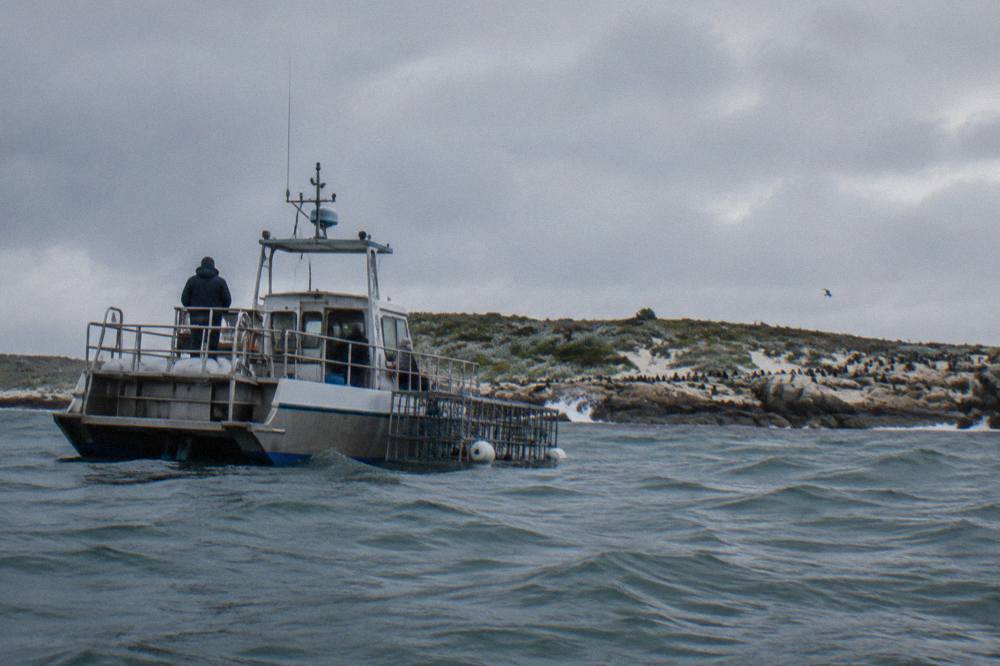
How Many People Have Died Cage Diving With Sharks?
Zero. Across the entire history of licensed, permit-led shark cage diving operations worldwide, there is no verified incident of a paying guest being fatally injured by a shark while inside a cage. The one tragedy routinely tied to the question in search engines, the 2008 Shark Team boat capsize off Gansbaai, was a maritime accident, not an attack, and a marine court of inquiry confirmed sharks played no role in it. A clean record is not the same thing as a guarantee, though, and this breakdown of whether you can ever be completely safe in a cage with great whites explains what the cage, the permits and the operators actually protect you from.
The industry's unbroken safety record is not a fluke of small numbers. Tens of thousands of divers have entered cages in South African waters alone since the first permits were issued in the 1990s. Gansbaai, the most heavily trafficked cage-diving destination in the country, sees multiple trips depart Kleinbaai Harbour on any given day during peak season, each carrying between eight and twenty guests who rotate through the cage in fifteen- to twenty-minute stints. Over decades, that adds up to an enormous exposure volume, and zero shark-caused fatalities.
The species shift away from great whites has also reshaped the risk profile. The orca pair Port and Starboard, named for their distinctly collapsed dorsal fins, have been linked to eleven documented predation events on white sharks between 2017 and 2025, with carcasses washing ashore showing livers surgically removed, a pattern researchers have tracked year by year. Great whites have been functionally absent from Gansbaai and False Bay for most of that period. In their place, operators now reliably encounter bronze whaler sharks and broadnose sevengill cowsharks, species that are smaller, less reactive, and have no record of aggression toward caged divers. The single sub-adult great white filmed near Seal Island on 23 September 2026, the first such sighting in False Bay in roughly eight years, as documented by researchers and the crew who spotted it, was one animal, and marine biologists explicitly cautioned that it does not signal a population recovery.
The cage itself has never been breached by a shark intent on harming an occupant, anywhere in the world. The bar spacing, the locking lid, the divemaster stationed on deck, and the surface-level positioning all combine to make a fatal bite inside the cage an exceedingly remote scenario. The anxiety the question stokes is real, fueled by decades of film imagery, but the documented evidence weighs entirely on the other side.
If you want to compare the highest-reviewed Gansbaai half-day, the Marine Dynamics eco-cruise with its marine biologist crew, and the top-rated False Bay open-water experience side by side, the three listings below are the ones to start with.
What Happened In The 2008 Gansbaai Boat Capsize?
The Shark Team capsized on the afternoon of 4 November 2008 while anchored near Shark Alley between Dyer Island and Geyser Rock, and three international tourists drowned after being trapped beneath the overturned hull or inside the cabin. A marine court of inquiry later ruled the skipper and operating company negligent for failing to read sea conditions and carrying inadequate flotation aids; no shark was reported near the boat at any point during the event.
The vessel was a converted fishing boat operating under a shark-viewing permit. It had anchored in the narrow, shallow channel between Dyer Island and Geyser Rock, an area known for its seal colony of roughly 60,000 animals and, historically, for the great whites the seals attracted. On the afternoon of the accident, a large, unexpected swell hit the anchored boat broadside and flipped it before the crew could react. Tourists who were on deck and inside the cabin were thrown into the water or trapped beneath the overturned structure. Three people drowned before rescue vessels reached the scene.
The marine court of inquiry that followed examined the skipper's decisions, the boat's stability under anchor, and the safety equipment carried on board. Its ruling, published under case reference ZAWCHC 2014/202, identified the proximate cause as a failure to monitor changing sea conditions coupled with insufficient passenger flotation aids. The finding was unambiguous: this was a maritime negligence case, not a shark incident. The court's language never mentions a shark, and no witness statement placed a shark anywhere near the boat during the capsize.
The regulatory response was swift and lasting. The South African Maritime Safety Authority tightened its oversight of small-passenger vessels used for shark-based tourism, and the Department of Forestry, Fisheries and the Environment, which issues White Shark Cage Diving permits under the NEMBA Threatened or Protected Marine Species Regulations, 2017, the current governing framework for the entire industry, strengthened its operating-code requirements. Every licensed operator departing Kleinbaai Harbour today follows mandatory weather-monitoring protocols, stricter crew-to-passenger ratios, and updated life-jacket and life-raft provisions that trace directly back to the 2008 inquiry. The accident, while devastating, is now the reference case for why a cage-diving safety briefing covers far more than the sharks.
A fuller timeline of what happened that day and the legal aftermath is in our post on the Gansbaai shark cage diving accident. For the purpose of this article, the key point is that the capsize is the only multi-fatality event tied to any cage-diving operation in South Africa, and it was not a shark-caused death. Conflating the two muddies the conversation and buries the real lesson, which is about vessel safety, not about the animals.
Has Anyone Ever Been Injured In A Shark Cage?
Minor scrapes from cage bars and the occasional bruise from vessel movement account for nearly all reported injuries in the cage-diving record, while actual shark bites on a caged diver are extremely rare and none have ever been fatal. The few documented bite incidents involved a hand or foot briefly extending outside the cage perimeter, which every permitted operator trains against explicitly during the pre-dive safety walkthrough.
The cage environment is a steel box with horizontal bars spaced closely enough that a large shark cannot fit its head through. The roof is a latched lid, and a divemaster stays on deck monitoring the divers and the water around them. Most injuries happen before a diver even enters the water: a wet deck on a rolling boat, a misstep climbing into the cage, or a finger pinched between the cage frame and the gunwale during launch. These are the small-hazard events any boat-based activity produces, and they make up the overwhelming majority of reported incidents.
In the water, a curious bronze whaler or a passing sevengill may bump the cage, but records show the animals almost always veer away. The few documented cases of a shark making contact with a diver's limb involved a hand or foot that briefly slipped outside the bars. Operators in Gansbaai and False Bay now include a cage-positioning segment in every pre-dive briefing: where to grip the bars, how to keep your body inside the perimeter, and the firm rule against reaching out. White Shark Projects, the long-running Gansbaai operator with a 4.7 rating from 451 reviews on its live listing, is explicit about this in its guest walkthrough, and reviews consistently mention the crew's no-exceptions approach to limb placement.
The injury that gets the most search attention, a shark biting through the cage itself, has no documented occurrence in the licensed-operator record. The bar spacing, the steel gauge, and the fact that the cage is bolted to the side of a large vessel make a structural breach mechanically implausible. A shark that strikes the bars with its snout will feel it and turn away, which is what happens in the rare instances of cage contact. The threat is almost always imagined, not recorded.
The question of cage injuries is discussed in more detail on our page covering whether anyone has been injured in a shark cage, which breaks down the handful of verified minor incidents against the volume of uneventful dives.
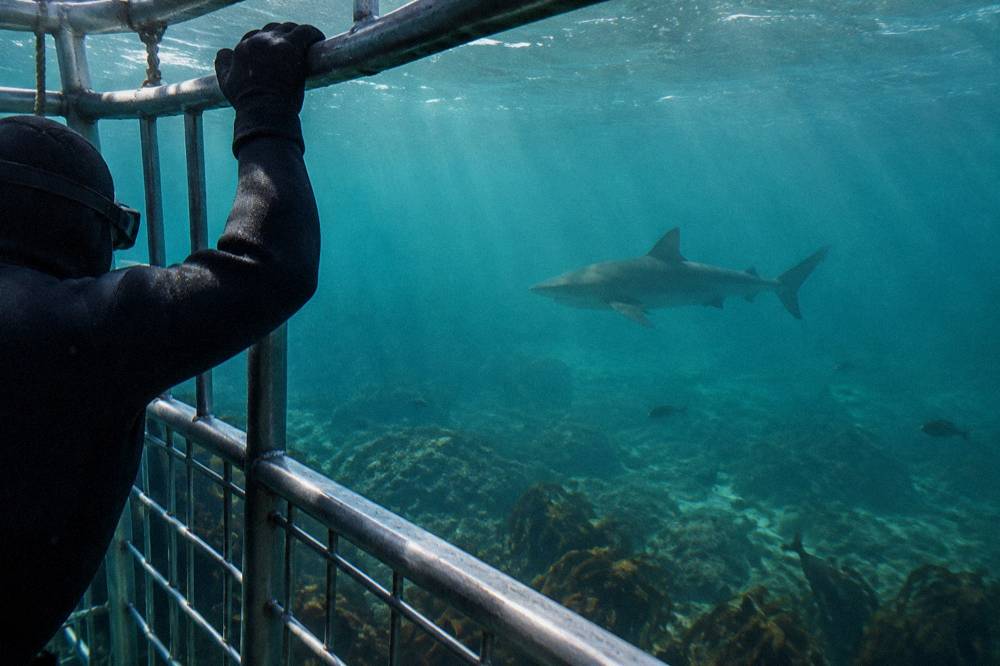
How Safe Is Shark Cage Diving In Cape Town?
Regulated shark cage diving in South Africa carries no shark-caused guest fatality in over twenty-five years of commercial operation, a record that compares favourably to almost any outdoor adventure activity that involves large wild animals. The permit system run by the Department of Forestry, Fisheries and the Environment, the locked-lid cage design, and the mandatory crew-to-guest ratios make the in-cage experience tightly controlled from the moment the cage is lowered.
The regulatory scaffolding around the activity is substantial and multilayered. The DFFE issues a limited number of commercial White Shark Cage Diving permits: eight for the Dyer Island and Gansbaai area, three for Seal Island in False Bay, and one for Mossel Bay under the current allocation. Each permit comes with a code of conduct that bans touching sharks, sets proximity limits, and requires cages built to approved structural specifications with locking lids. SAMSA inspects every vessel for stability, life-saving equipment, and crew competence. The result is a system in which no single operator can cut corners on cage integrity or passenger safety without risking its permit. If Mexico's famous white shark site was also on your list, why Guadalupe Island cage diving remains closed explains what happened there and which cage diving trips near Cape Town you can still book.
The species now most commonly encountered also changes the risk calculus. Bronze whaler sharks, the bread-and-butter sighting at Gansbaai today, are typically between 2 and 3 metres long and are described by marine biologists as inquisitive rather than aggressive. Sevengill cowsharks, which appear regularly in False Bay, are bottom-oriented and slow-moving. Neither species has the reactive, investigatory-bite behaviour that made great whites the focal point of safety anxiety in earlier decades. A peer-reviewed study published in the journal Biology in June 2025, which analysed roughly 560 hours of cage-diving boat observations in Gansbaai from 2009 to 2024, recorded 423 white shark sightings with only five re-sightings and no increase in sighting frequency over the period, confirming statistically what operators have been reporting anecdotally for years. For divers weighing a False Bay departure instead, the guide to Simon's Town's shark cage diving operators compares the licensed boats and the species you are most likely to meet from that side of the bay.
The Simon's Town open-water shark dive run by Shark Explorers from False Bay holds a 5.0 rating from 37 reviews on its live listing, with guest comments frequently noting the calm-water conditions and the thoroughness of the pre-dive safety talk. The operator departs from a protected harbour and runs trips in the lee of the peninsula, where swell is often flatter than the open ocean off Gansbaai. That reduces the risk of cage impact from vessel movement, which is the real safety variable, not the shark.
The table below lays out the regulatory bodies that govern every permitted trip, because the safety of a cage dive is not a mystery: it sits inside a legal and operational framework that has been stress-tested and tightened repeatedly since 2008.
| Regulatory Body | Role In Cage Diving | Applies To | Key Requirement |
|---|---|---|---|
| DFFE | Permit issuance and species protection | All WSCD operators | Cage design specs, chumming limits, no-touch rule, proximity limits |
| SAMSA | Vessel safety oversight | All commercial passenger boats | Stability certification, life-jacket and life-raft provision, crew licensing |
| Operator Code of Conduct | Daily operational rules | Every permit holder | Locking cage lid, divemaster on deck at all times, weather cancellation thresholds |
| Marine Court (post-2008) | Incident review and precedent | Industry-wide | Stricter sea-condition monitoring, passenger-to-crew ratios, flotation-aid minimums |
Water temperature and visibility, while secondary to the regulatory structure, also affect how a trip feels from a safety standpoint. The cooler winter months from May to September bring the clearest water, visibility of 6 to 12 metres is common, compared to 3 to 6 metres in summer, which means divers can see sharks approaching long before the animals reach the cage. Gansbaai water temperatures in July and August sit around 15.8 degrees Celsius, cold enough that every operator supplies a full 5mm wetsuit, gloves and booties as standard. A diver who can see the shark and is protected by a thick neoprene layer is operating in a fundamentally different environment from the open-water surfer or swimmer who accounts for the small number of unprovoked shark bites that occur on South African beaches each year.
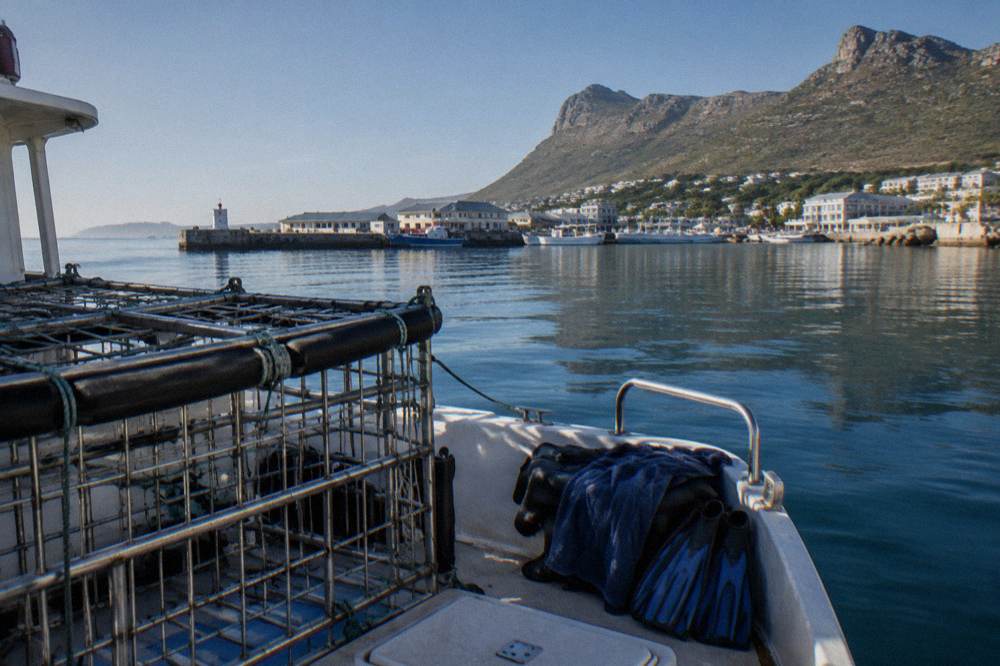
The site's full is shark cage diving safe guide puts these numbers and protocols into a wider context, including a comparison with other adventure activities in the Western Cape. The short version is that the cage is not the weak point in the safety chain: the weather, the boat and the operator are the variables you can actually assess before booking.
If you want to stack a Gansbaai half-day, a False Bay open-water dive, and an eco-cruise with a marine biologist against each other, the three operators that top the ratings appear again below.
Common Questions About Shark Cage Diving Fatalities
How many people have died cage diving with sharks?
Zero. There is no record of any paying guest inside a licensed shark cage being killed by a shark anywhere in the world. The single fatal incident tied to a cage-diving operation was the 2008 Gansbaai boat capsize, which drowned three tourists in a sea-condition accident with no shark involvement.
Has a shark ever attacked a cage?
A shark will sometimes bump or nudge a submerged cage out of investigative curiosity, but no licensed cage has ever been structurally breached by an animal intent on reaching the occupant. The bar spacing is deliberately narrow enough that a large shark cannot fit its head through, and the lid is locked from above.
What was the 2008 Gansbaai boat accident?
On 4 November 2008, the vessel `Shark Team` capsized after a large, unexpected swell struck it while it was anchored near Shark Alley between Dyer Island and Geyser Rock. Three international tourists drowned. A marine court of inquiry found the skipper and operator negligent for poor sea-condition judgement and insufficient safety equipment. No shark was sighted near the boat.
Are there any recorded shark-related injuries in a cage?
Minor scrapes from cage bars and bruises from vessel movement account for the vast majority of reported injuries. Actual shark bites on a caged diver are extremely rare and usually involve a hand or foot that briefly extended outside the cage perimeter. None have been fatal.
How do operators keep the cage safe?
Permitted operators are bound by a DFFE code of conduct requiring cages built to approved specifications with locking lids, a divemaster on deck at all times, and a strict no-touch rule. SAMSA conducts vessel stability and safety-equipment inspections annually and through spot checks. The pre-dive safety briefing covers hand placement, body orientation, and the firm rule against extending limbs outside the bars.