What Colors Not To Wear In The Ocean For Sharks?
Practical advice on clothing and gear colors for shark cage diving near Cape Town: what sharks respond to, why operator wetsuits look the way they do, and what to leave on the boat.
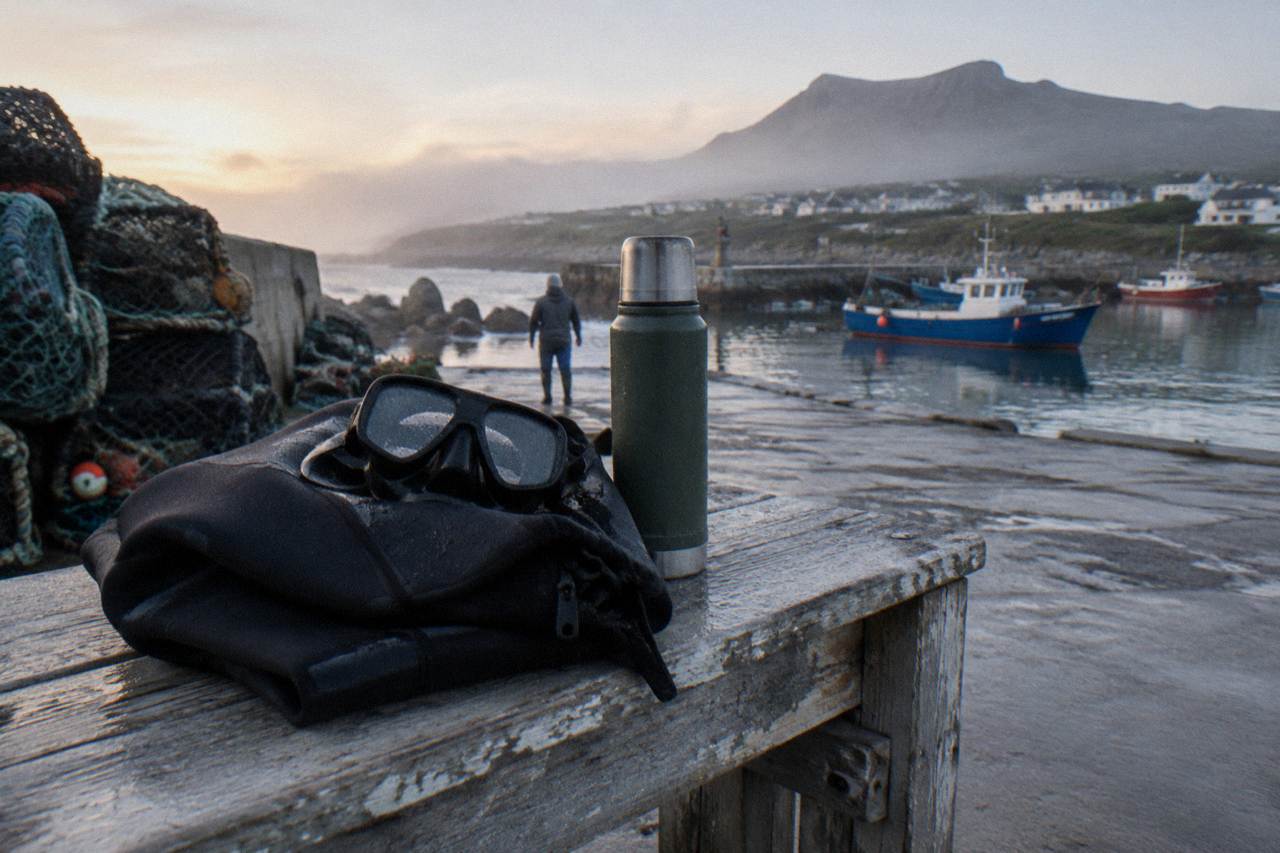
What Colors Not To Wear In The Ocean For Sharks?
Color advice for the ocean mostly circulates around swimmers and surfers, but it reaches cage diving in a narrower, more practical way. If you book a cage dive near Cape Town, the operator hands you a wetsuit, booties and a mask, so most of the color question is already answered before you step aboard. What is left is the small set of personal items you bring yourself, and a few habits worth unlearning before you board a boat at Kleinbaai or Simon's Town.
This article works through the color question honestly: what sharks are actually responding to, why the supplied wetsuits look the way they do, and which of your own items are worth leaving on shore. It also covers what the operators on this site's roster actually supply, so you know what you never need to buy.
What Colors Not To Wear In The Ocean For Sharks?
The short honest answer: avoid high-contrast color blocking, avoid anything that flashes or glints like fish scales, and skip bright reflective accessories. Sharks keying on prey respond most strongly to contrast and reflected light rather than any single "dangerous" color. On a licensed cage dive, the operator's dark, matte wetsuit already handles the main risk, so the items that matter are your watch, jewelry, and anything shiny you planned to wear into the cage.
The internet is full of firm claims about specific colors: that yellow is "yum yum yellow," that black makes you invisible, that bright swimwear attracts attacks. The reality researchers keep landing on is simpler and less dramatic. Sharks do not see color the way we do, and the strong cues are silhouette, contrast, and movement. A solid dark shape against the bright surface reads as a seal. A sharply two-toned shape, dark on top and pale below, can read as something injured or smaller, which is exactly the profile a curious shark investigates.
That is why the standard advice for swimmers and divers is to avoid stark contrast between your top and bottom half, and to avoid anything that throws reflected light. The same logic applies inside a cage, with one big difference: on a licensed South African cage dive you are not swimming loose in the water column. You are inside a steel cage attached to the boat, in a wetsuit the operator chose deliberately. Your personal color choices are a much smaller variable than the forums suggest.
There is also a species reality that changes the whole framing. The sharks you are most likely to meet on a Gansbaai or False Bay trip today are bronze whaler (copper) sharks and broadnose sevengill cowsharks, not great whites, which have been largely absent from these waters since the orca predations that began around 2017. A June 2025 peer-reviewed study in the journal Biology, covering 423 white shark sightings from 2009 to 2024 boat data at Gansbaai, found no site fidelity and no increase in sighting rates. The color advice below is written for the sharks actually circling the cage now, which are curious, fast, and drawn to flash and contrast like any other large coastal predator.
Why Operator Wetsuits Use High-Visibility Patterns Deliberately
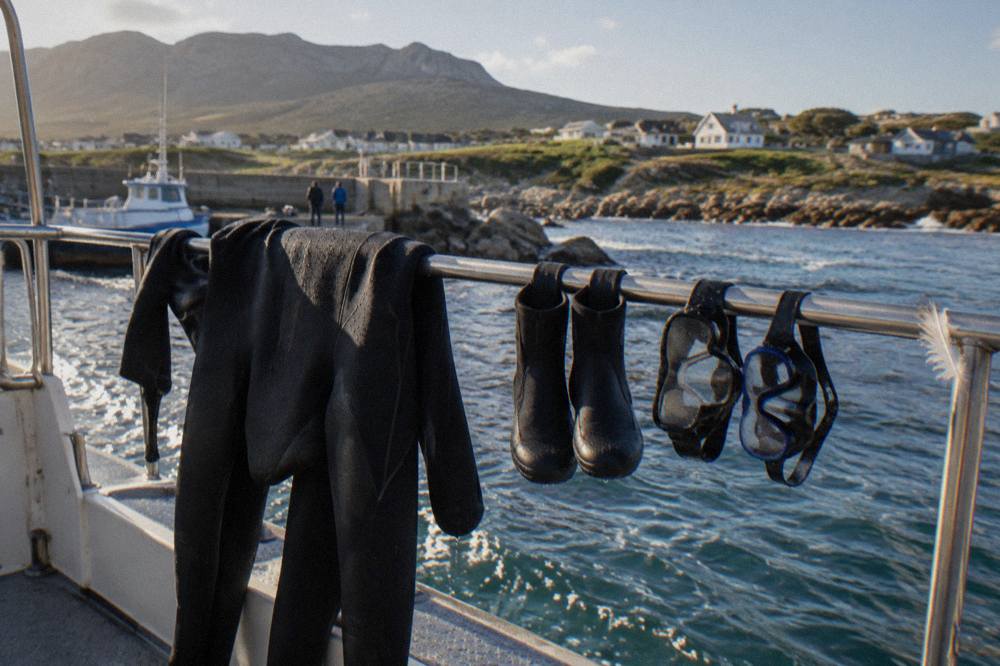
Operators do not dress cage divers in black to hide them from sharks. The supplied wetsuit is dark and matte because that is what a 5mm neoprene suit looks like, and the safety logic runs the opposite way to what people assume: the boat crew needs to see you, the shark needs to encounter a calm, non-prey silhouette, and the suit's job is to make you look like nothing interesting. Shiny, high-contrast personal additions are what break that.
This is the part of the color question most first-time divers get backwards. The wetsuit is not camouflage in the "hide from the shark" sense, and it is not an attractant either. It is a controlled, boring, known quantity. Every shark that visits a licensed cage at Kleinbaai has seen hundreds of humans in identical black neoprene. There is nothing novel, nothing flashing, nothing that reads as a wounded fish. Novelty is what draws investigation, and the uniform suppresses it.
The same reasoning explains why operators supply the gear rather than letting guests bring their own. A 5mm wetsuit, booties and a mask are standard issue on these trips; the Shark Zone listing at Gansbaai, from $126 per person, states wetsuit and mask are included, and that pattern holds across the roster. The suits are checked, correctly thick for water that runs roughly 15.8 to 20.7 degrees Celsius at Gansbaai depending on month, and free of the wear, patches and bright repair stitching that a personal suit might carry.
If you do own a wetsuit and want to bring it, ask the operator first rather than assuming. Most will let you use it if it is suitably thick and in good condition, but the supplied suit is the safe default. The hookah air-supply dive from the White Shark Diving Company, from $205.08 per person, is one of the listings where the operator's own gear standard matters most, because the surface-fed air line changes how you sit in the cage and what the crew needs to see at a glance. That listing rates 4.7 from 78 reviews and runs about 4 hours with free cancellation.
What Sharks Actually See: Contrast Beats Color
A shark's eye is built for detecting contrast, silhouette and movement in often murky water, not for sorting a color chart. At Gansbaai visibility typically runs 3 to 10 meters, averaging 6 to 8 meters, so a shark approaching a cage is resolving shapes and light, not palette. Anything that increases contrast or throws light does more work than any single "bad" color, which is why flash and two-tone patterns top the avoid list.
Start with what the water does. Three to ten meters of visibility means a shark closing on the boat sees a dark shape against a bright downwelling surface. That shape is the boat and the cage; you are a detail inside it. Your color choices shift that detail, and the shifts that matter are the ones that create internal contrast: pale hands against a dark suit, a bright watch face, a white bathing costume visible through the cage mesh.
Then what the shark's eye does. Sharks have a reflective layer behind the retina that boosts sensitivity in low light, which is excellent for hunting at depth and dawn, and it makes sudden reflected glints disproportionately noticeable. This is the mechanism behind the oldest piece of advice in the book, and it survives every round of scrutiny: remove shiny things before entering the water. Rings, chains, bracelets, reflective watch faces and metallic swimsuit trim all throw hard glints that resemble the flash of fish scales.
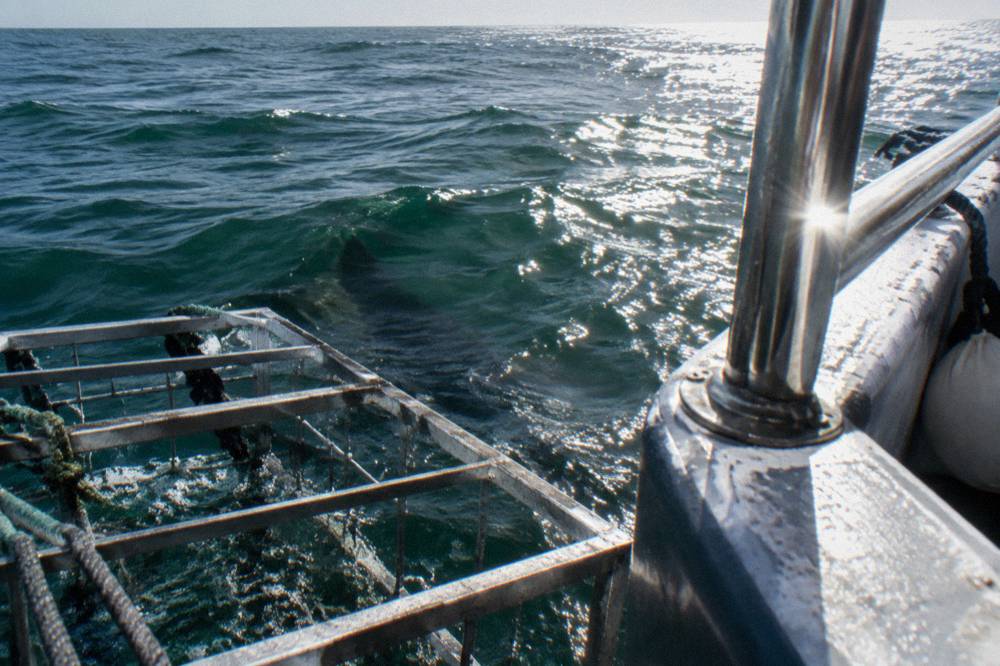
The practical translation for a cage dive, where you are protected but visible:
| Item | Effect in the water | Verdict for cage diving |
|---|---|---|
| Dark matte wetsuit | Low contrast, familiar silhouette to sharks | Supplied by the operator, wear it |
| Brightly colored swimsuit worn under the suit | Invisible while suited, visible at change time | Fine, it stays under the wetsuit |
| Jewelry, rings, chains | Hard glints resembling fish scales | Leave on shore or in the locker |
| Reflective watch | Strong flash with every arm movement | Leave it, boats run on a schedule anyway |
| White or pale towel, clothing on deck | No effect on sharks, useful to the crew | Bring them, they are for after |
| Brightly patterned own wetsuit | Adds internal contrast and novelty | Ask the operator before bringing it |
Notice how little of this is about a specific forbidden hue. The claims that circulate about yellow attracting sharks come from open-water observations of sharks approaching bright dive gear, and the more defensible reading is that sharks investigate novel, high-contrast objects in general. Inside a cage, with an operator-supplied suit, the color of your swimwear underneath is genuinely irrelevant. The glint items are not.
What To Leave On The Boat: Shiny Gear And Bright Add-Ons
The honest avoid list for a cage dive is short: jewelry, watches, metallic trim, cameras with exposed polished housings, and anything dangling. None of these are catastrophic inside a licensed cage, but all of them add exactly the kind of stimulus a curious bronze whaler investigates first, and several of them are also genuine snag hazards on cage mesh. Practical, not paranoid.
Work through the list the way a boat crew would. Rings and chains come off before you suit up, partly for the glint, partly because neoprene and jewelry are a bad fit anyway. Watches stay in your bag. If you bring a camera, use a matte housing or a standard operator-approved setup; most Gansbaai operators have housings and mounts designed for the cage, and the crew will tell you where cameras are welcome. Dangling lanyards, straps and go-pro arms can catch on the cage frame as you rotate in and out, so fewer loose objects means a smoother rotation for everyone in your group. Other pages covering the same trip are gathered on Shark Cage Diving Cape Town.
The clothing you wear on deck matters for warmth, not for sharks. Layers are the standing advice for these trips: the crossing to the dive site can be windy and cold even in summer, and you change into the wetsuit on board. The full packing logic, including layers, towels and seasickness planning, is covered in the what to wear for shark cage diving guide, and the seasickness on a shark cage diving boat guide handles the other common first-timer worry.
One more deck-level point worth making plainly: bright clothing on the boat itself is fine, and some crews actively like high-visibility jackets for headcounts. The color rules apply to what enters the water, and even there they are refinements, not rules of survival. Licensed cage diving in South Africa operates under Department of Forestry, Fisheries and the Environment permits, with cages built to approved specifications and lids required, as the industry's own safety pages describe. Your ring is not going to change the outcome of a regulated trip; it is simply on the wrong side of the cost-benefit line.
What The Operators On This Roster Actually Supply
Every cage dive listing on this site supplies the core in-water gear, so the color question is mostly solved by the operator before departure. Wetsuits, booties and masks are standard across the Gansbaai, False Bay and combo listings, and several listings bundle meals, transfers or extras that shape what you need to bring at all. The table below shows the real inclusions from the verified listings.
| Listing | Base price | Rating and reviews | Gear and extras included |
|---|---|---|---|
| Shark Zone, Gansbaai | from $126 | 4.5 from 68 reviews | Wetsuit and mask included; Cape Town pickup is a paid add-on |
| White Shark Diving Company, conservation dive | from $169 | 4.8 from 237 reviews | Breakfast, lunch and snacks; no hotel pickup |
| Sharklady Adventures, Gansbaai | from $188.73 | 4.0 from 271 reviews | Complimentary in-cage air line at no extra cost |
| White Shark Diving Company, hookah dive | from $205.08 | 4.7 from 78 reviews | Surface-supplied air line upgrade |
| Marine Dynamics eco cruise, Gansbaai | from $232 | 4.6 from 369 reviews | 6-hour trip, optional Cape Town transfer, free cancellation |
The pattern to read from that table: the operator supplies everything that touches the water, and the price differences come from trip length, meals, transfers and air-supply upgrades, not from gear. The Sharklady Adventures listing is a good example of an inclusion that changes the in-water experience without changing what you wear. Its complimentary in-cage air line means you breathe through a surface-fed line rather than holding your breath, and the suit, booties and mask remain operator-supplied. That listing runs about 3 hours 30 minutes from Gansbaai, from $188.73 per person, with free cancellation.
The air-line detail is worth understanding because it connects back to the color question. A diver on a supplied air line is calm, stationary and breathing steadily, which presents as a quiet, uniform shape. A diver holding their breath, exhaling hard and moving abruptly presents as movement and contrast. The gear the operator hands you is engineered to make you boring to the shark and legible to the crew, and that engineering is why the standard advice is to accept the supplied kit rather than improvise.
Does Wetsuit Color Change What Happens Inside The Cage?
Realistically, no. Inside a permitted cage, attached to a licensed boat, in an operator's standard wetsuit, your color choices are a rounding error compared to the chum trail, the bait line and the shark's own mood. The honest version of the color question for cage diving is about the small shiny items you control, not the suit you do not choose. Anyone selling you a special anti-shark color scheme for a cage trip is selling folklore.
That is not dismissiveness; it is where the evidence points. The sharks visiting Gansbaai cages today are mostly bronze whalers, and a 2026 account from Marine Dynamics logged 33 trips in a single month with 312 bronze whaler sightings and no great whites mentioned, which matches the operator's founder stating plainly in June 2026 that the company has "an amazing shark population, we just don't have great whites at the moment." These are fast, curious sharks that investigate the bait line and the cage. They are not pattern-matching your swimwear.
The one color-adjacent point that genuinely matters on these trips is visibility to humans. Dark water, choppy surface, a cage half-submerged: the crew's ability to see every diver is the safety system that actually runs. That is another argument for the supplied suit and against personal additions, and it is why crews prefer you in the standard kit even when your own suit would technically fit.
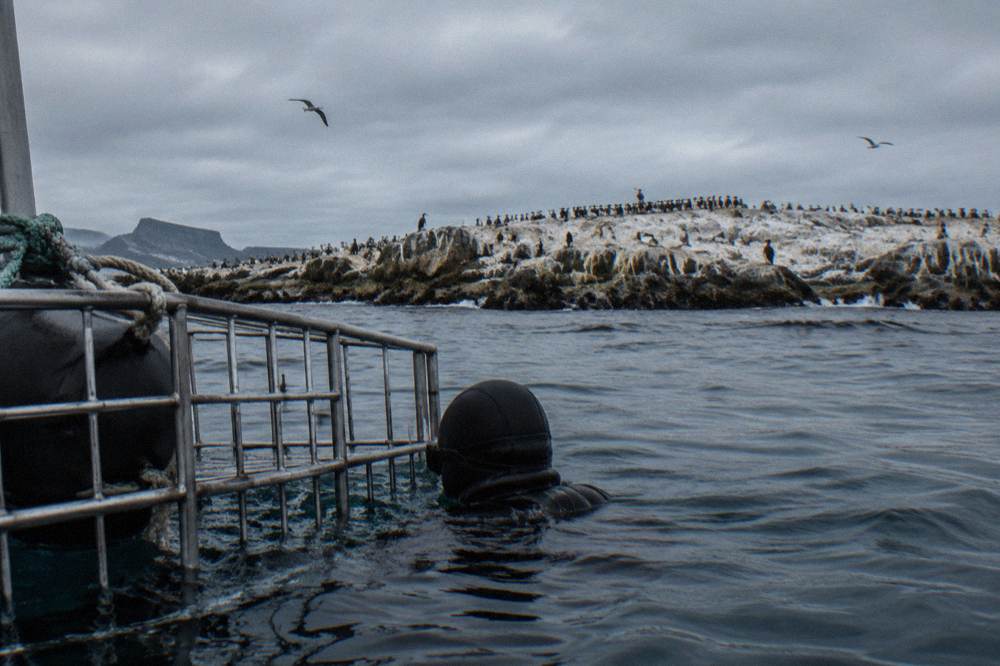
The Marine Dynamics eco cruise from Gansbaai illustrates the full package: about 6 hours, from $232 per person, 4.6 from 369 reviews, free cancellation, and a trip that often sells out, so booking ahead matters more than any wardrobe decision. The operator runs its own marine research and penguin-rescue work alongside the trips, and the briefing on board covers the species shift honestly, including the great white decline. For the broader safety picture, including the industry's record and the regulations behind it, see the is shark cage diving safe in Cape Town guide.
A Practical Packing List For Cage Diving Day
Pack for cold, wind and a wet change, not for sharks: swimsuit under your clothes, warm layers for the boat, a towel, sunscreen, hat, any medication taken in advance, and your ID. Leave jewelry, watches and anything that glitters at the hotel. Everything that touches the water, from the wetsuit to the mask, comes from the operator, so the color question reduces to what stays on shore.
The swimsuit point deserves one clarification because it confuses people. You wear your swimwear under your clothes to the harbour, then change into the wetsuit on board with the swimsuit underneath. The suit's color is irrelevant; the swimsuit's color is doubly irrelevant, first because it is hidden and second because you are in a cage. The items with any real effect are the ones that stay exposed: hands, and anything on them.
Layers matter more than any color decision. Gansbaai water runs roughly 15.8 degrees Celsius in the July-to-September winter trough and about 20.7 degrees in January, and the boat ride out can be colder than the water. Morning departures tend to be calmer, which helps both with seasickness and with surface conditions for the first cage rotations. Trips are weather-dependent and can be cancelled for safety, which is a feature of a regulated industry, not a flaw.
A realistic day looks like this, using the roster's real timings:
| Trip type | Total time | Where it departs | What you bring | What you leave behind |
|---|---|---|---|---|
| Half-day Gansbaai dive | about 3 hours | Kleinbaai Harbour | Swimsuit, layers, towel, ID | Jewelry, watch, own wetsuit unless approved |
| Full-day with Cape Town transfer | 9 to 10 hours | Cape Town hotel pickup | Same, plus food patience, meals often included | Same |
| False Bay dive, Simon's Town | 3 hours 30 minutes to 4 hours | Simon's Town harbour | Same | Same, plus note the Apex listing is non-refundable |
| Shark and whale combo | 5 to 6 hours | Kleinbaai Harbour area | Same, plus whale-season timing | Same |
One planning note for the combo rows: the whale leg is weather-dependent, and on the Ivanhoe Sea Safaris combo it is refunded if cancelled, which is the kind of detail worth knowing before you pack a full day around it. The Gansbaai day trip planning guide covers the drive, roughly 160 to 175 kilometers and 2 to 2.5 hours from Cape Town, and the shark cage diving transport and pickup options guide covers which listings bundle the transfer and which charge extra.
If you are pairing the trip with time in the region, Hermanus is 30 to 40 minutes from Gansbaai and its Cliff Path whale watching is genuinely free, season roughly June to November with peak September to October. It makes a calm afternoon after a morning on the water, and it requires no booking, no gear and no color decisions at all.
Common Questions About Ocean Colors And Sharks
What Colors Not to Wear in the Ocean for Sharks?
Avoid high-contrast two-tone outfits, anything that flashes or glints like fish scales, and bright reflective accessories. Sharks respond most strongly to contrast, silhouette and movement rather than a single dangerous color. On a licensed cage dive the operator's dark matte wetsuit handles the main exposure, so the items that matter are your own: jewelry, watches and anything shiny.
Is Yellow Really "Yum Yum Yellow" For Sharks?
The nickname comes from open-water observations of sharks approaching bright dive gear, but the defensible reading is that sharks investigate novel, high-contrast objects in general, not that yellow specifically triggers feeding. There is no verified finding that one color causes attacks. Inside a cage, in a supplied wetsuit, your swimwear color underneath is irrelevant.
Do I Need To Buy My Own Wetsuit For Cage Diving?
No. Every listing on this site supplies the in-water gear: wetsuit, booties and mask are standard, and the Shark Zone listing states wetsuit and mask are included at its from $126 base price. Bring a swimsuit to wear underneath and layers for the boat. If you own a suit and want to use it, ask the operator first.
Does Wetsuit Color Matter Inside The Cage?
Realistically no. You are inside a permitted steel cage attached to a licensed boat, in a standard operator suit that local sharks have seen thousands of times. The sharks visiting today are mostly bronze whalers and sevengills, since great whites have been largely absent from Gansbaai since around 2017. Color is a rounding error next to the bait line and the shark's own curiosity.
What Should I Do With Jewelry And Watches On Dive Day?
Leave them at your accommodation. Rings, chains, bracelets and reflective watch faces throw glints that resemble fish scales, and they are also snag hazards on cage mesh as you rotate in and out. Boats run to a schedule, so you will not need the watch; the crew handles timing, headcounts and the cage rotations.
Can Bright Colors On The Boat Attract Sharks?
No. The color question applies to what enters the water, and even there it is about contrast and flash rather than hue. Bright deck clothing is fine, and crews often prefer high-visibility items for headcounts. What happens in the water is governed by the operator's baiting, the cage design and the sharks' own behavior, all under permit conditions that ban direct feeding.